
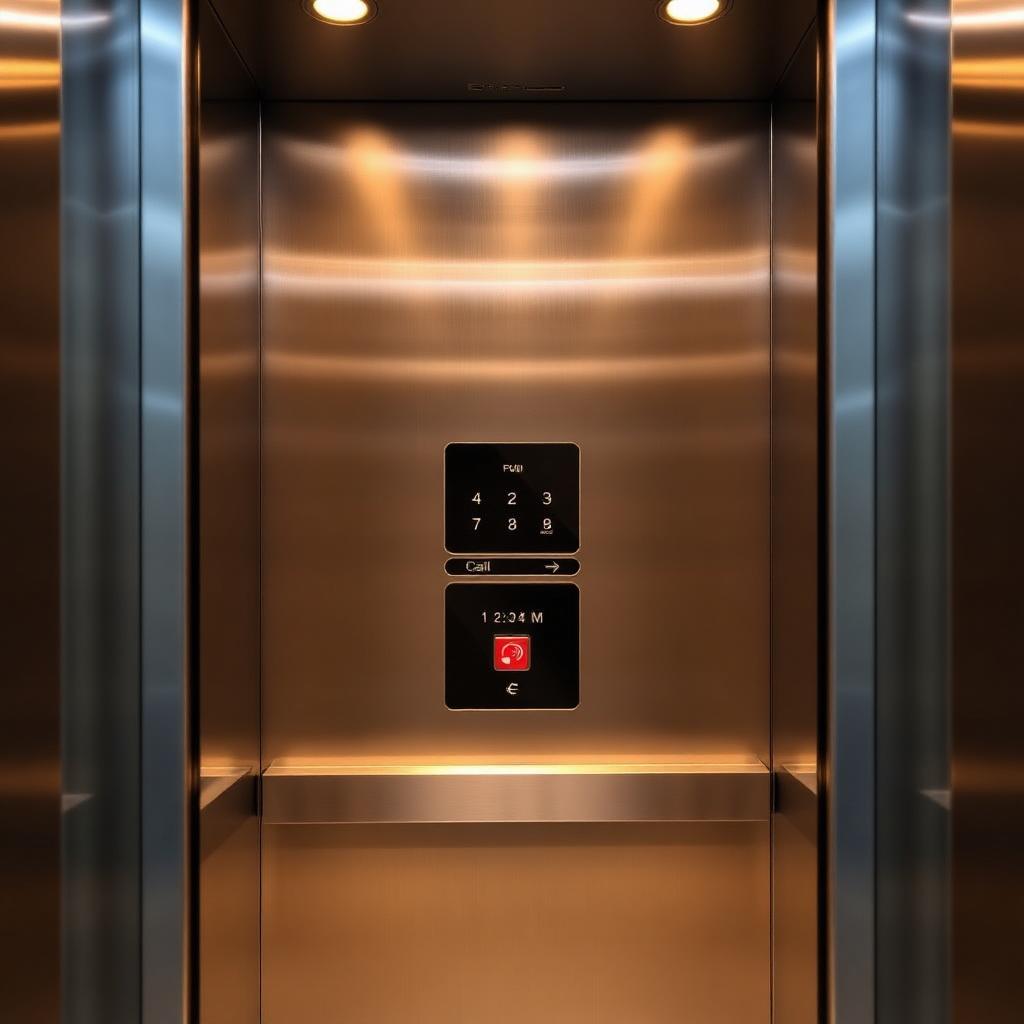
If you sell telecom, elevator, or alarm services, you've probably felt the ground shift under "simple" analog life-safety lines. Elevator emergency phones were built around a reliable dial tone from copper POTS.
The hard part: codes didn't retire just because copper did. Elevator emergency communication must still meet accessibility and safety requirements.
What ASME A17.1 and ADA Are Trying to Protect
Elevator emergency communication exists for a simple purpose: if someone is trapped, they must be able to reach authorized personnel.
- A two-way means of emergency communication initiated by a push button
- No handset—handsets are prone to vandalism
- A clearly identified "HELP" button with tactile phone symbol
- A visual signal confirming the call was received
- ADA overlays: operable parts must be reachable/usable
Why "Post-POTS" Is a Compliance Problem
- The Line May Disappear On Someone Else's Schedule
- Communication Must Work During The Elevator's Service Life
- Replacement Needs To Preserve Functionality
The Compliance-Minded Way to Think About POTS Replacement
- The replacement solution should present analog dial tone to the elevator phone
- Battery backup should meet local code requirements
- Remote monitoring and health checks should be in place
- Documentation should be ready for AHJ inspection
- The solution should support enhanced accessibility features
Important Note
Local adoption varies. Your Authority Having Jurisdiction (AHJ) determines what's required on a given job. Always verify requirements with the local AHJ before finalizing a POTS replacement project for elevator phones.