
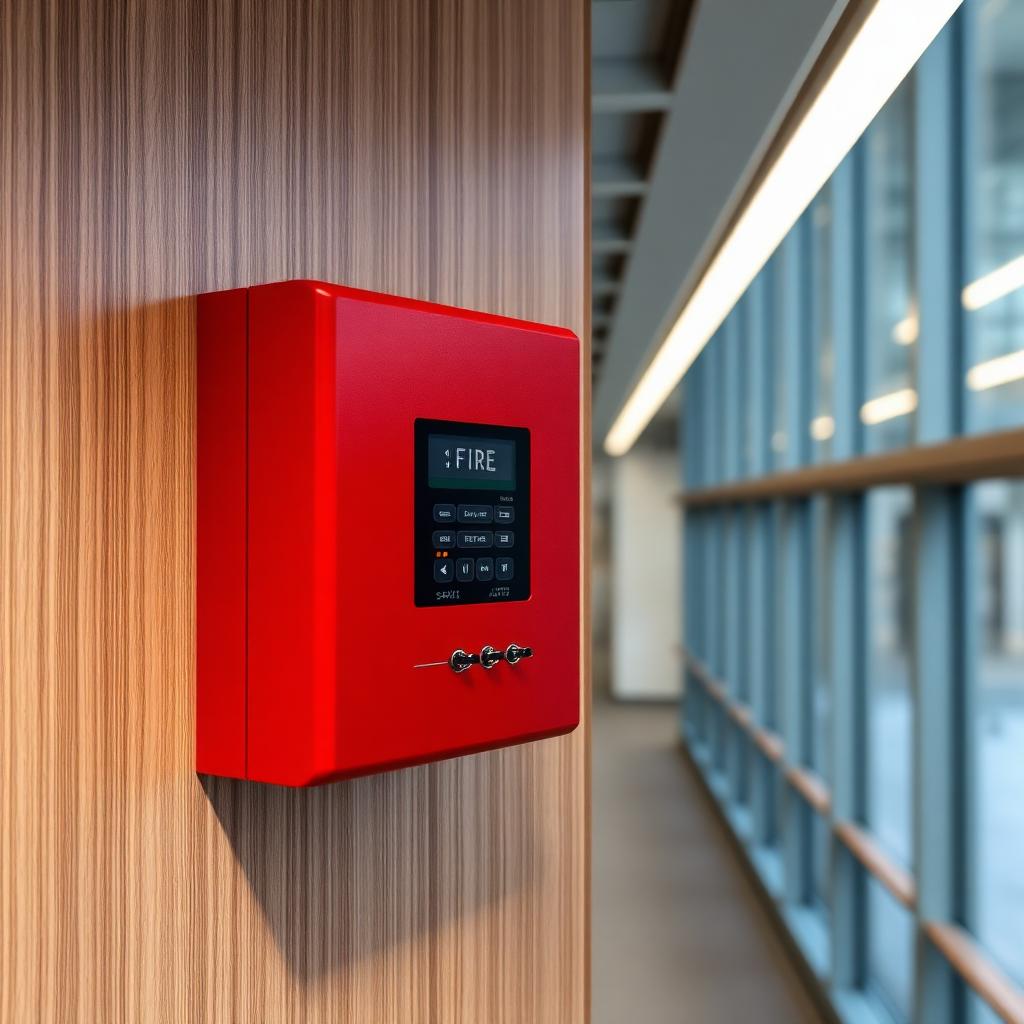
Copper POTS (Plain Old Telephone Service) lines used to be the default "dial tone" behind life-safety systems, especially fire alarm panels, sprinkler monitoring, and other specialty endpoints. But copper is being retired across the U.S., and many facilities are getting short-notice disconnect letters from their current providers.
When that dial tone disappears, it's not just an inconvenience: fire and life-safety pathways can fail, inspections can get messy, and customers start scrambling. This is where POTS line replacement matters most: not as a "phone service swap," but as a code-aware migration that preserves how existing endpoints communicate while moving the transport to modern networks.
Why Replacing POTS Lines Is Urgent Now
Many businesses still have copper in place because it "always worked." The problem is that the business case for carriers to maintain aging copper is deteriorating, while regulatory shifts continue to support modernization and retirement.
What NFPA 72 Is Really "Asking For" When Copper Goes Away
NFPA 72 doesn't say "you must use copper." What it cares about is whether alarm communications are reliable, supervised, and detectable when they fail.
A key concept to keep front and center is supervision—the ability to detect a communications problem within the required interval.
The Common Failure Mode
Many problems arise when teams treat POTS replacement as a commodity adapter installation. You can end up with something that sounds fine (dial tone present), but fails where it counts:
- No meaningful supervision/health monitoring
- Single point of failure with no resilience
- Power mistakes (plugged into a switched outlet, no battery runtime planning)
A Practical Checklist For Fire Panels When Moving Off Copper
- Determine the brand and model of the fire alarm panel
- Identify the communicator type and signaling needs
- Confirm local AHJ requirements and supervision intervals
- Verify battery backup and power source requirements
- Plan for remote monitoring and health check capabilities
- Document the installation for inspection purposes
The Takeaway
When you replace a POTS line connected to a fire panel, you're not just replacing "a phone line." You're protecting a supervised life-safety communication function. Choose a solution purpose-built for this use case.