
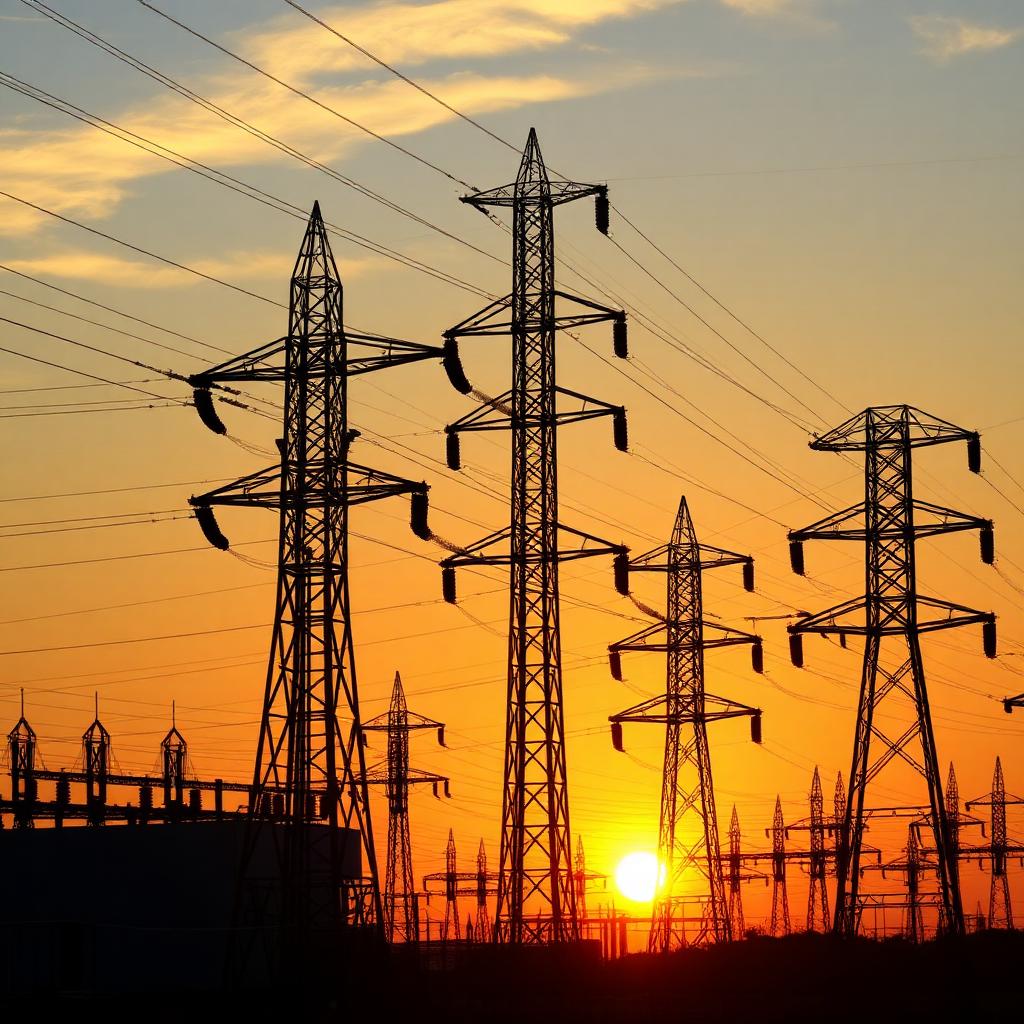
Target Utility Segments
Wastewater utilities (lift stations, treatment plants, remote pump sites), power utilities (substations, distribution yards, generation sites), water associations (booster stations, tank sites, wellheads), and wind farms (turbine strings, collection substations, O&M depots).
The Challenge
Utility operations depend heavily on legacy copper POTS lines to support remote operational and safety systems across geographically distributed infrastructure. Aging copper is increasingly unreliable due to environmental exposure, targeted copper theft, and recurring storm damage — leaving critical sites without communications during emergencies.
Service providers are simultaneously raising costs and decommissioning copper facilities. Line failures directly impact SCADA monitoring, safety alarm systems, and emergency communications that are essential during crisis events.
The Solution
POTS Replacement Platform: An advanced gateway that converts analog communications to secure cellular and IP-based transport while preserving the POTS line behavior existing field equipment depends on — eliminating copper without costly equipment replacement.
Operational Continuity: Existing field equipment stays in place, preserving investments in SCADA systems, alarm panels, and emergency communication gear.
Secure Transport: Cellular and IP-based communications aren't subject to the physical vulnerabilities affecting copper — theft, corrosion, storm damage, and carrier decommissioning.
Phased Migration: Site-by-site or system-by-system deployment supports long-term SCADA modernization while addressing immediate reliability concerns.
Primary Applications
SCADA Telemetry Backhaul: Supports legacy RTU/PLC modem communications and dial-out alarm reporting.
Alarm Communications: Replaces copper feeding alarm panels at substations, pump stations, and treatment plants.
Emergency Phones: Reliable dial tone for safety phones at unmanned facilities and wind sites.
Camera & Intercom Systems: Maintains analog call paths tied to legacy security and notification systems.
Representative Deployment: Wastewater Lift Station
Initial Configuration: An existing copper POTS line supports SCADA modem communications, an alarm dialer, and an emergency gate phone for field personnel safety.
Implementation: A gateway is installed in the existing control enclosure alongside current equipment. The copper connection is disconnected and communications transitioned to secure cellular transport with minimal disruption.
Result: SCADA monitoring, alarm reporting, and emergency calling continue operating without interruption while copper vulnerabilities are eliminated.
Operational Benefits
Maintains legacy equipment without costly redesign, reduces downtime from copper failures and theft, enables standardized deployment across sites, supports phased SCADA and security modernization, and improves resilience during storms and emergencies.
Best Fit Environments
Remote or unmanned sites with long repair intervals, utilities experiencing recurring copper outages, distributed assets like wind farms and water associations, and organizations planning long-term SCADA modernization.
Conclusion
The POTS Box enables utility organizations to eliminate unreliable copper dependencies while maintaining operational continuity for critical SCADA monitoring, safety alarms, and emergency communications across distributed remote facilities.